Is Buying Secondhand Clothing Sustainable? The Environmental Impact
Fast fashion has transformed how we shop for clothes. Cheap, trendy garments are designed to be worn a few times and then thrown away. This cycle creates massive pollution, water waste and carbon emissions every year.
Many fashion lovers are switching to secondhand and vintage clothing as a simple, powerful way to reduce their fashion footprint. But is buying pre-loved clothing truly sustainable? Let’s break down the environmental impact of choosing secondhand over brand-new fast fashion.
H2: The Huge Environmental Cost of Fast Fashion
To understand why secondhand shopping matters, we first need to look at the cost of making new clothes.
- Water consumption: Cotton, one of the most common clothing fabrics, requires thousands of liters of water to produce just one t-shirt.
- Carbon emissions: The fashion industry contributes around 10% of global carbon emissions, more than international flights and maritime shipping combined.
- Chemical pollution: Pesticides for cotton, fabric dyes and finishing chemicals leak into rivers and harm local ecosystems.
- Textile waste: Millions of tons of used clothing end up in landfills or incinerators every year. Many garments are not biodegradable and can take decades to break down.
Most fast fashion pieces are low-quality. They wear out quickly and are discarded, creating a never-ending loop of production and waste.
H2: How Buying Secondhand Clothing Helps the Planet
When you buy pre-loved clothing, you extend the lifecycle of an existing garment. No new raw materials, water or energy are needed to produce that item. Here are the key sustainability benefits:
- Saves water: Every reused garment avoids the water needed for new fiber farming, dyeing and manufacturing.
- Cuts carbon emissions: Reusing clothes eliminates the greenhouse gas emissions from factory production and shipping of brand-new apparel.
- Reduces textile waste: Instead of ending up in landfill, a pre-loved garment finds a new owner and stays in circulation.
- Cuts demand for fast fashion: Choosing secondhand lowers consumer demand for mass-produced new clothing.
Vintage and secondhand pieces are often built with higher quality materials than modern fast fashion. They are made to last, so they can be worn for many more years.
H2: Is Secondhand Fashion 100% Perfect?
It is important to note that secondhand shopping is not entirely without environmental impact. Shipping, packaging and cleaning of pre-loved garments still use resources. But compared to the environmental footprint of manufacturing brand-new clothes, the impact is dramatically lower.
The biggest rule to keep secondhand fashion truly sustainable: buy only what you will actually wear. Buying secondhand items you never use still creates waste. Shop mindfully, choose pieces you love and will wear repeatedly.
H2: How You Can Make Your Secondhand Wardrobe Even More Sustainable
- Prioritize high-quality, timeless pieces that fit your style long-term. Avoid impulse purchases.
- Take good care of your garments. Proper washing and storage help clothes last longer.
- When you no longer wear an item, resell or pass it on instead of throwing it away.
- Choose sellers who use recycled packaging and eco-friendly cleaning practices.
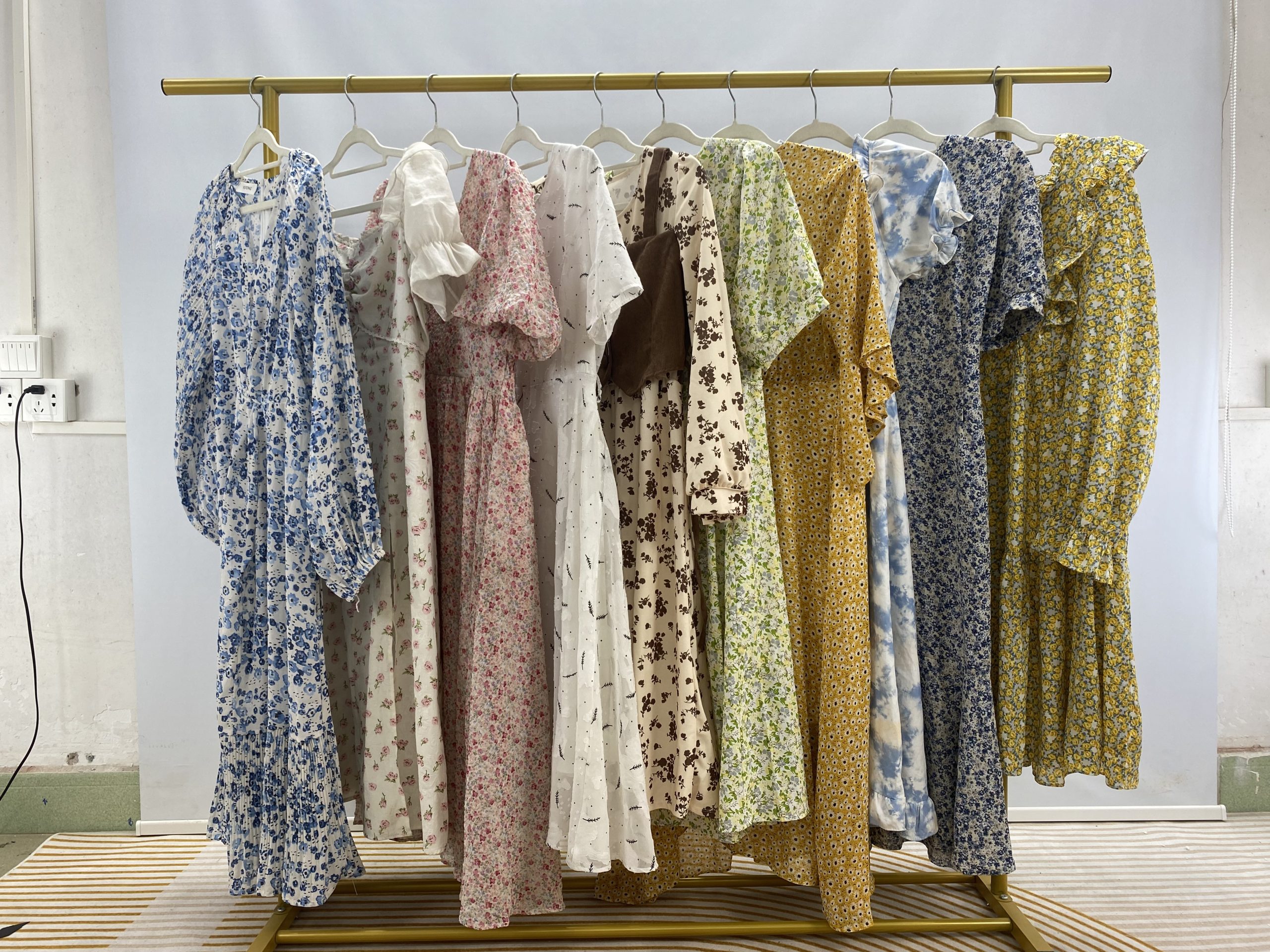
At our store, we carefully inspect, grade and clean each pre-loved garment. We aim to keep beautiful clothing in circulation and keep usable textiles out of landfills.
H2: Frequently Asked Questions
Q: Is vintage clothing more sustainable than modern secondhand clothing?
A: Both are sustainable. Vintage items are usually older, well-made pieces that have already survived decades. All secondhand purchases extend garment life and reduce the need for new clothing production.
Q: Does buying secondhand still support fast fashion brands?
A: No. When you buy pre-loved clothes, you are not purchasing directly from fast fashion manufacturers. You are reusing existing items, not funding new production.
Final Words
Buying secondhand clothing is one of the most accessible ways to build a sustainable wardrobe. It lowers carbon footprints, saves precious water, fights textile waste and lets you own unique, one-of-a-kind pieces that you cannot find in mainstream stores.
Sustainable fashion is not about perfection. It is about making better choices, one garment at a time.